Chapter 42
| Collection: | The Book of Job and 42 Paintings |
| Author: | Fr. Antonio Oteiza |
| Type: | Painting |
| Location: | Cataloguing Room |
| Characteristics: | Acrylic paint on cardboard |
| Artwork: |
Click to enlarge |
| Description: |
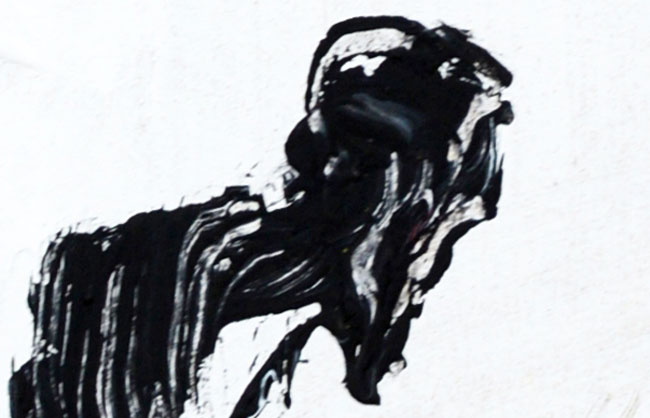
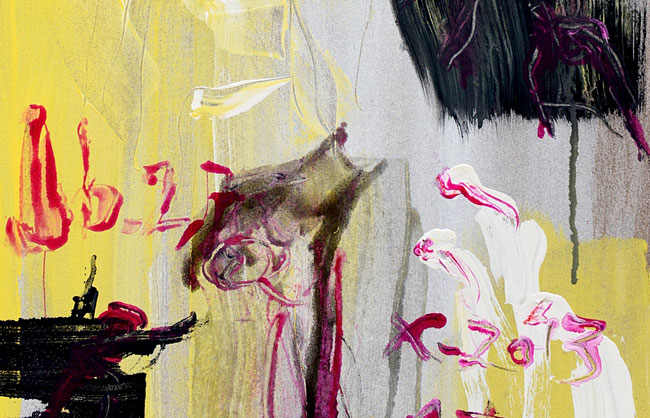
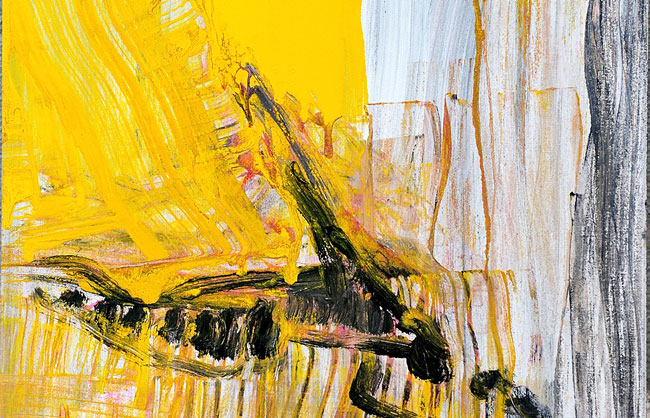
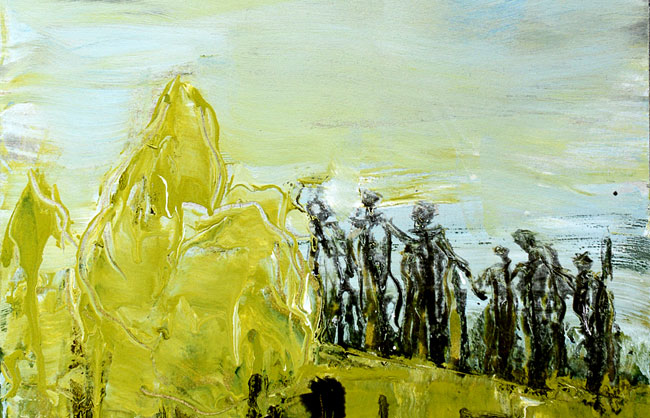
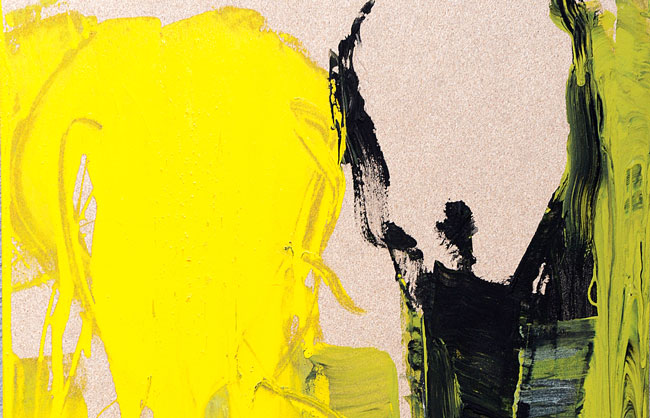
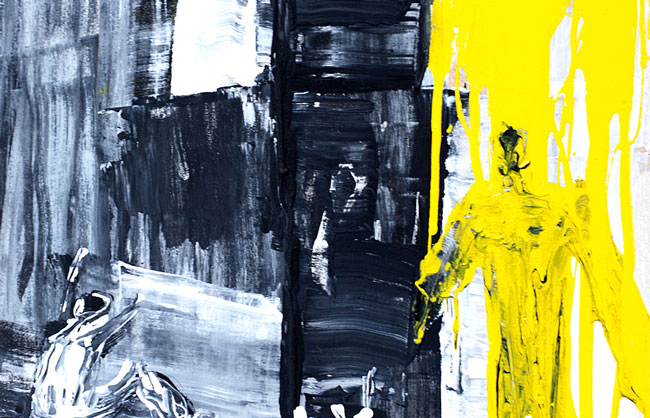
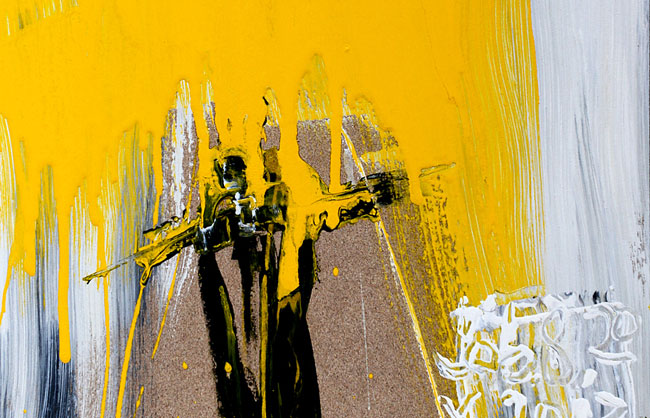
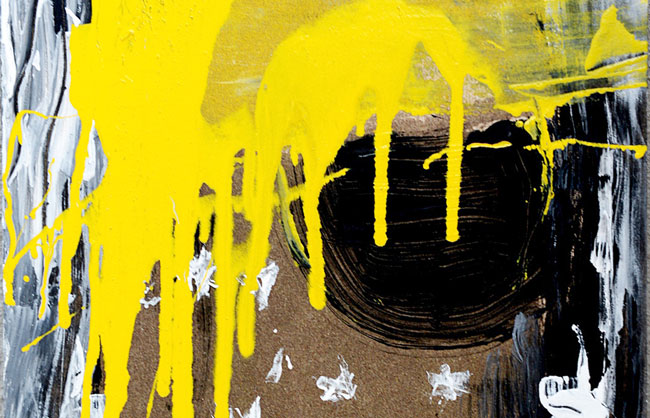
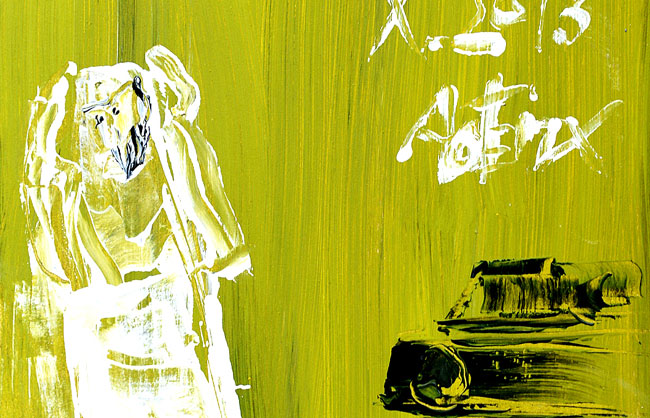
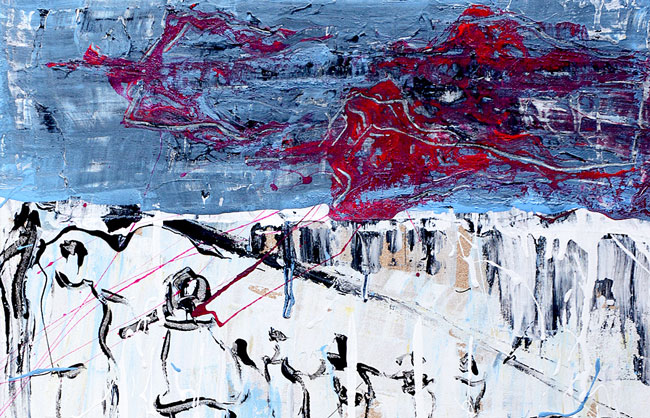
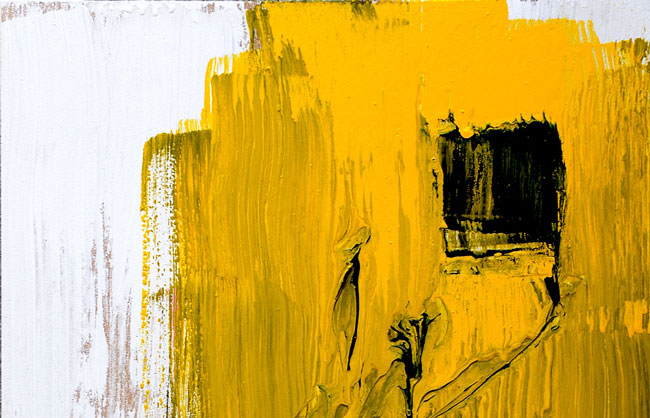
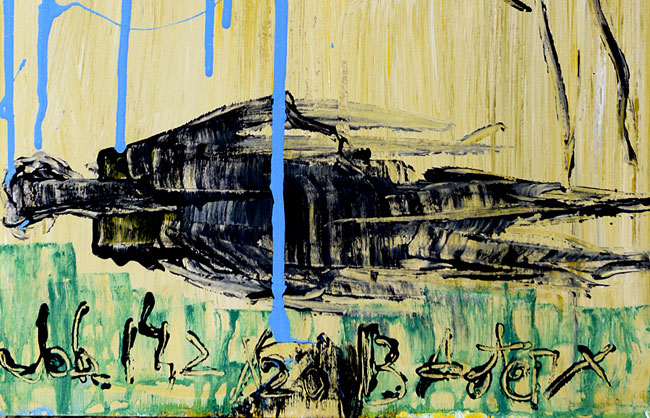
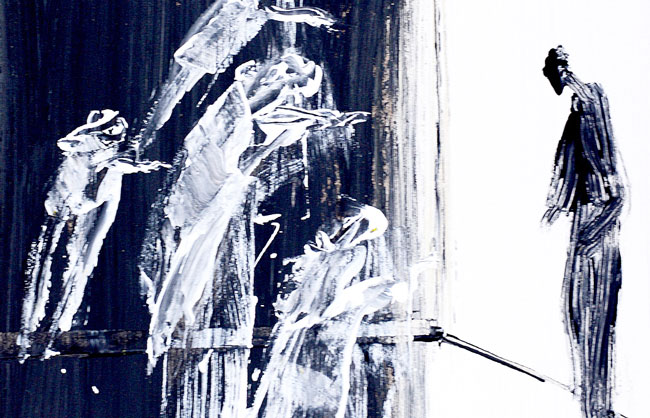
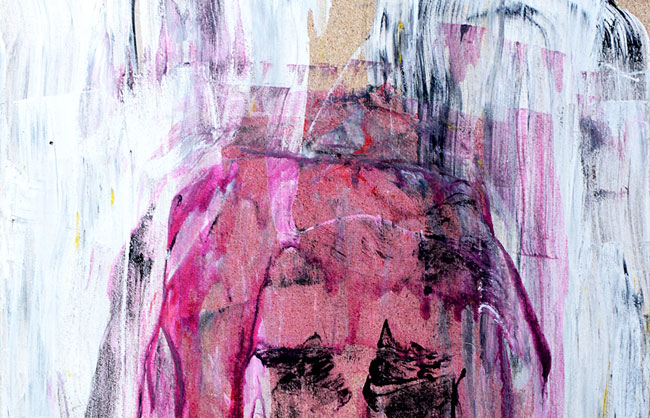
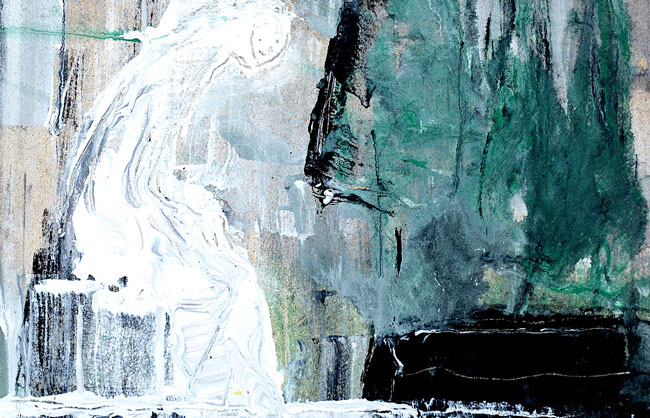
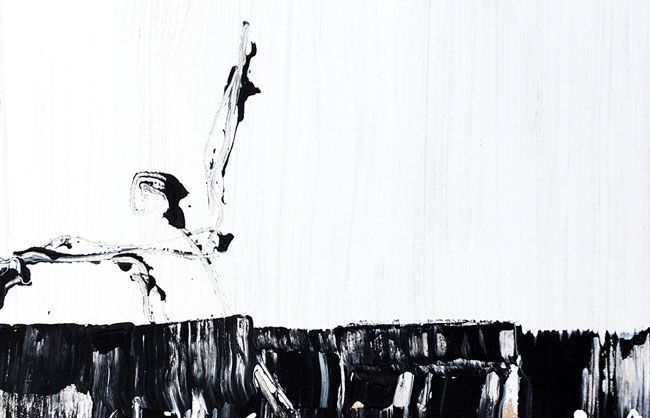
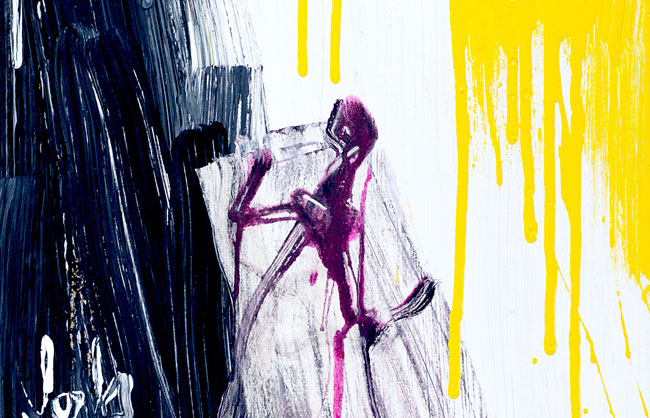
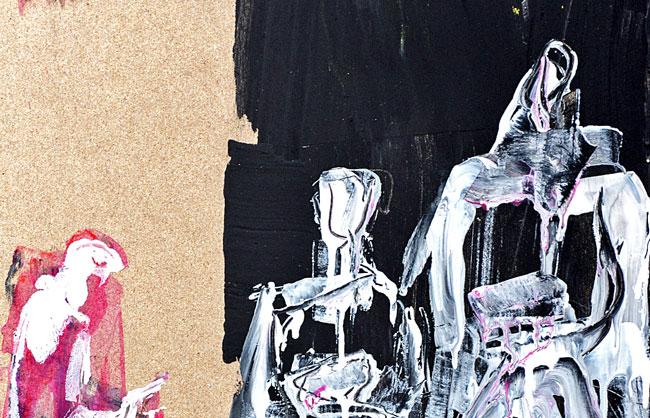
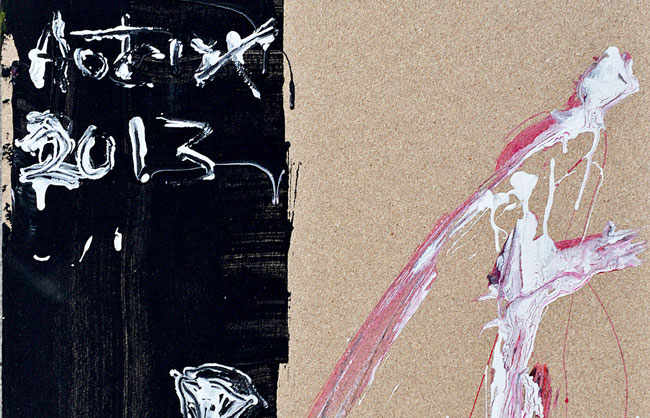
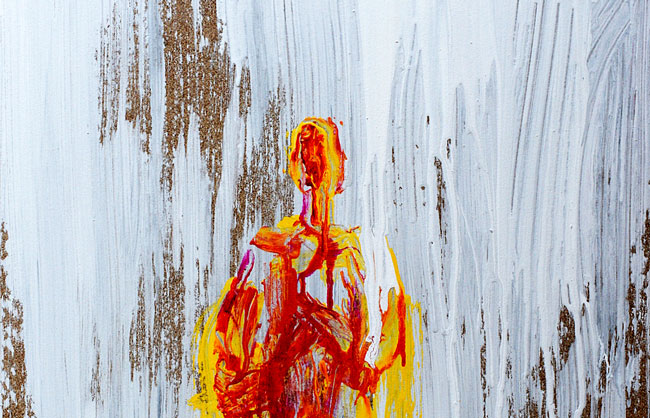
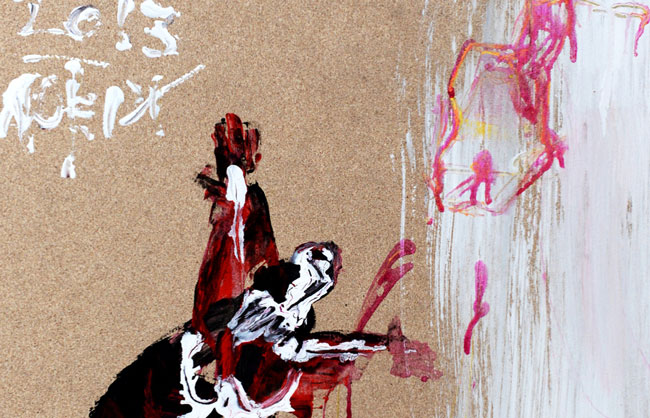
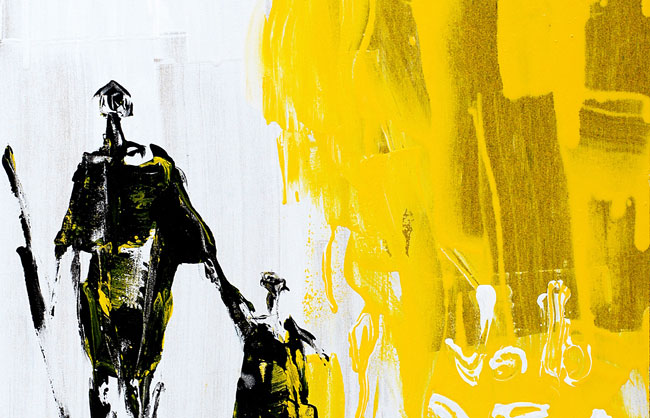
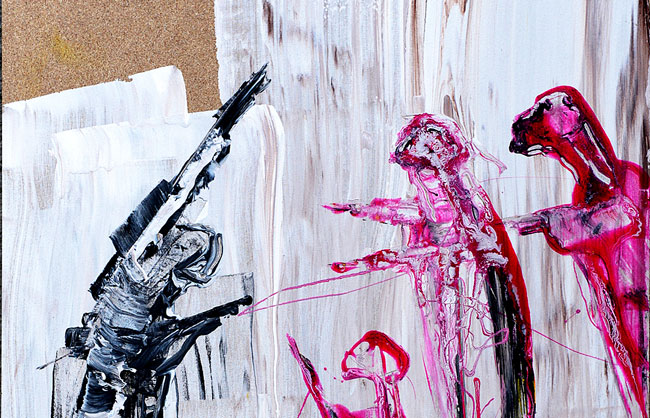
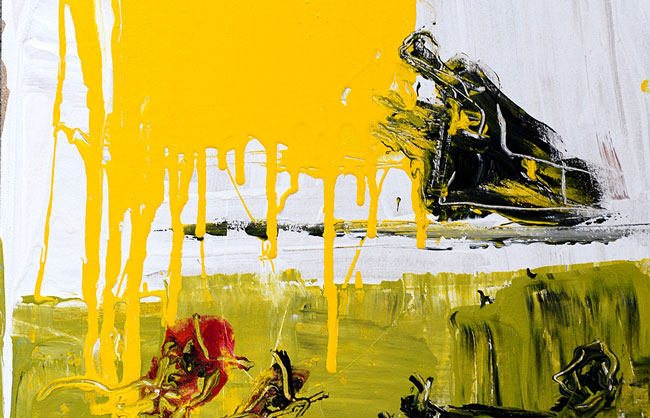
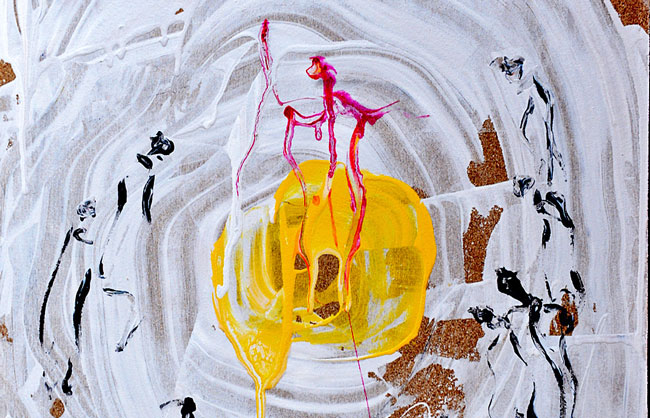
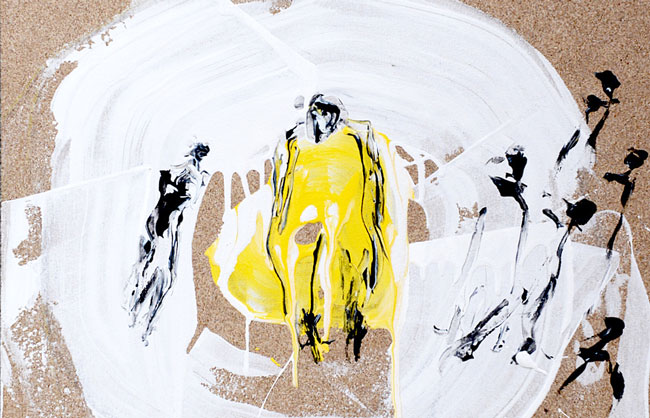
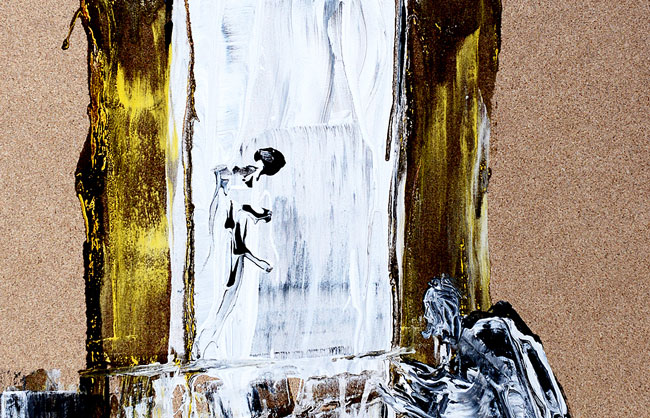
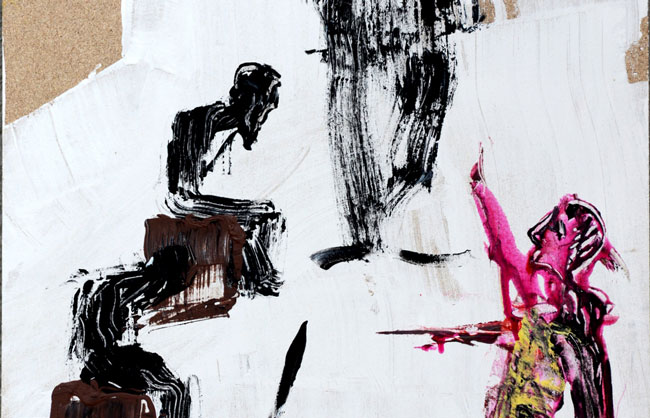
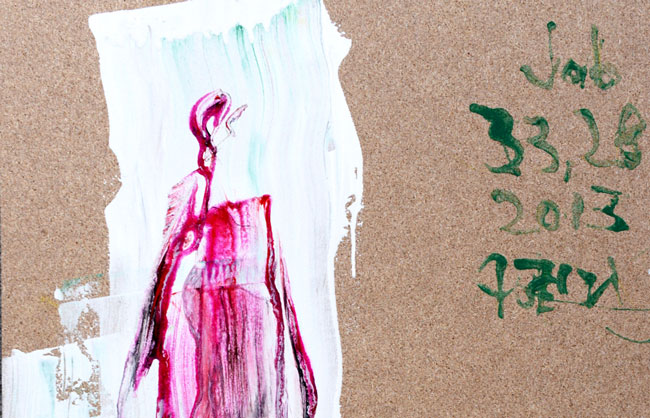
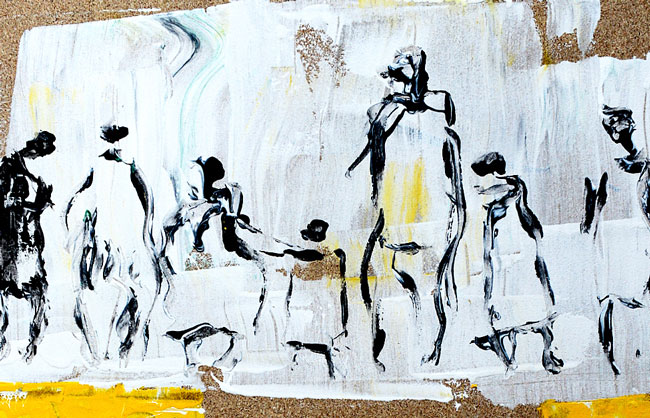
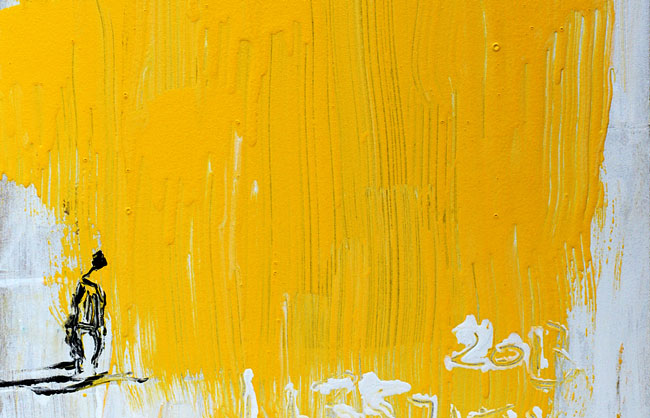
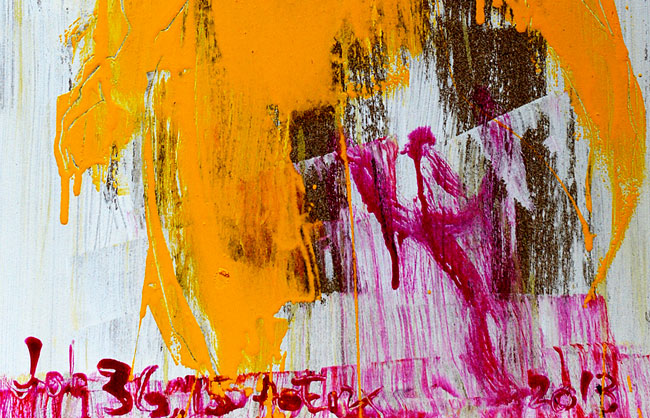
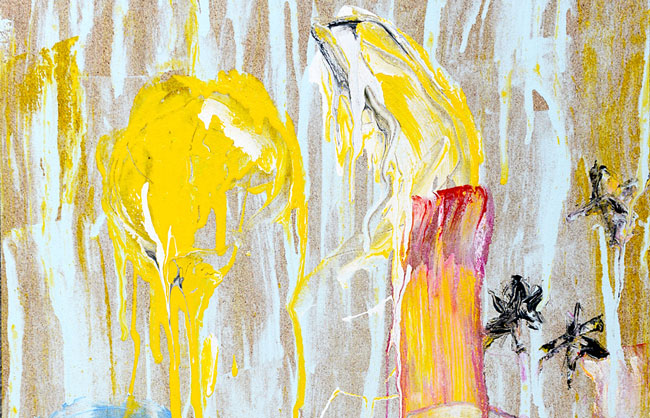
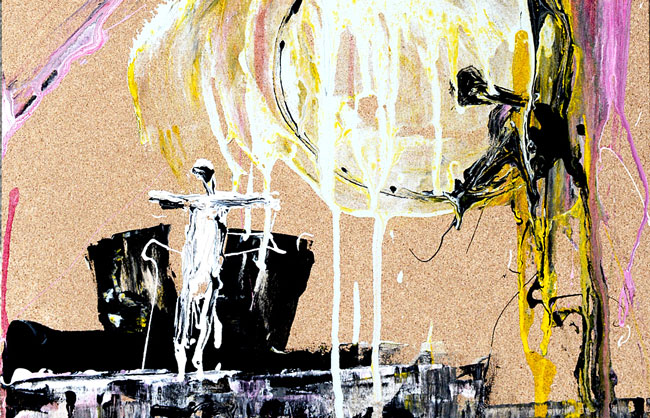
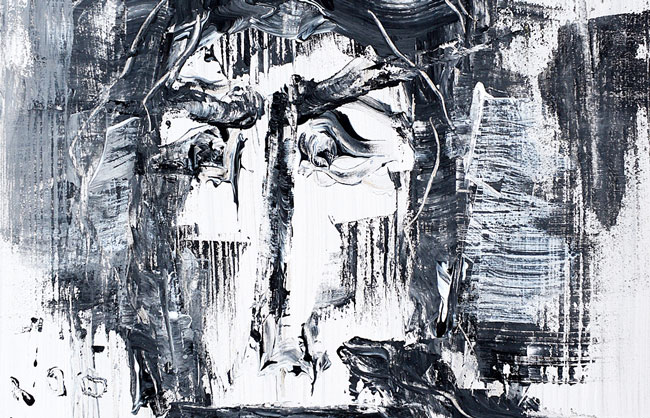
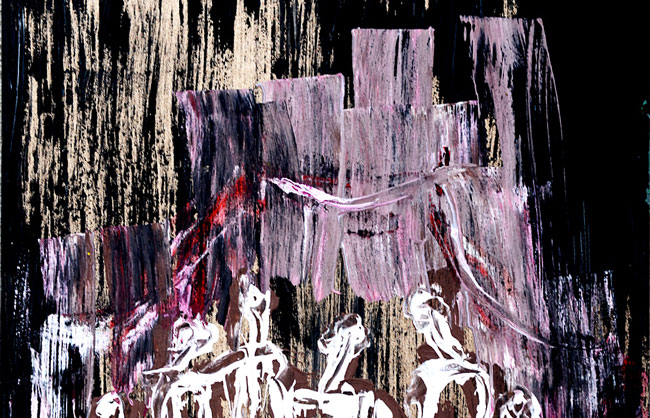
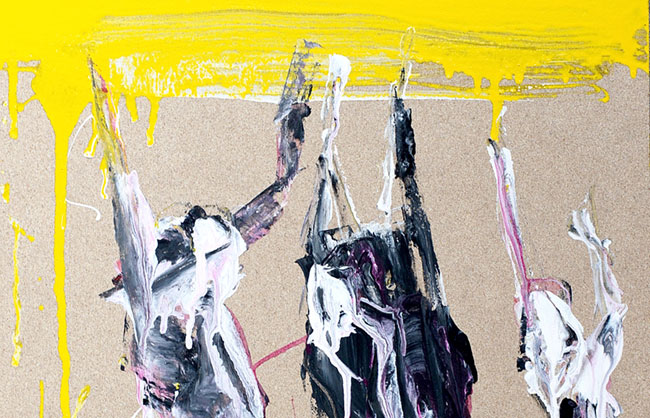
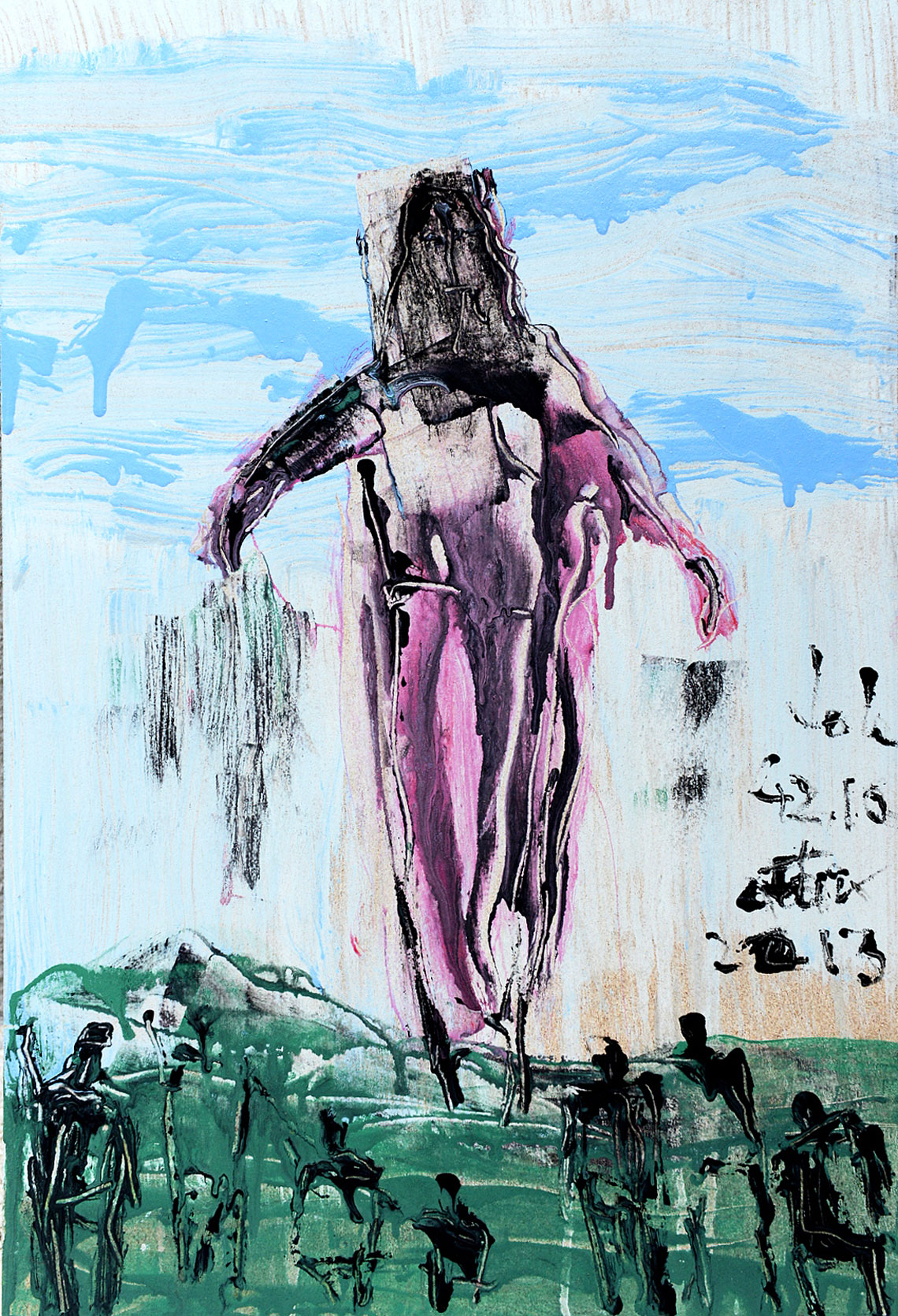
Job answered the Lord: [You said:] ‘Who is this who obscures my designs with meaningless words?’ [You said:] ‘Listen to me, for I am going to speak; I will question you, and you shall answer me.’ Therefore I retract my words and repent in dust and ashes.” When the Lord had finished saying these things to Job, he addressed Eliphaz of Teman: Therefore, take seven bulls and seven rams, go to my servant Job and offer them as a burnt offering. My servant Job will intercede for you. I will listen to Job and will not treat you as your presumption deserves, because you have not spoken rightly about me, as my servant Job has.” So Eliphaz of Teman, Bildad of Shuh and Zophar of Naamah went and did what the Lord had commanded, and the Lord listened to Job. When Job had interceded for his companions, the Lord changed his fortunes and doubled all his possessions. His brothers and sisters and all his former acquaintances came to visit him. They ate with him in his house, expressed their sympathy and comforted him for all the misfortune that the Lord had brought upon him. Each of them gave him a sum of money and a gold ring. The Lord blessed Job afterward even more than at the beginning. His possessions amounted to fourteen thousand sheep, six thousand camels, a thousand yoke of oxen and a thousand female donkeys. He had seven sons and three daughters. The first was named Dove, the second Acacia, and the third Jet. In all the land there were no women more beautiful than Job’s daughters. Their father gave them an inheritance just as he did their brothers. After this, Job lived for one hundred and forty years and saw his children, grandchildren and great-grandchildren. And Job died, old and full of years. |