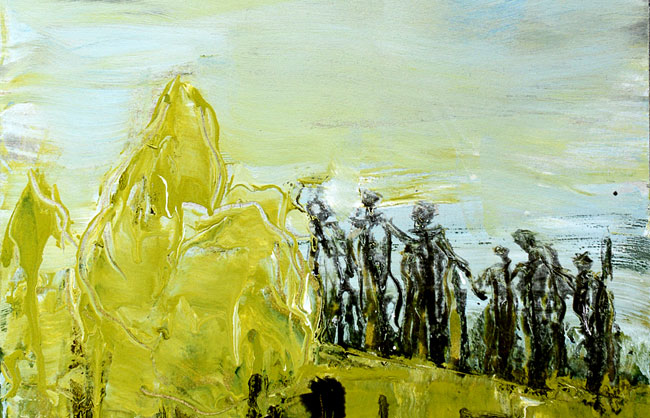
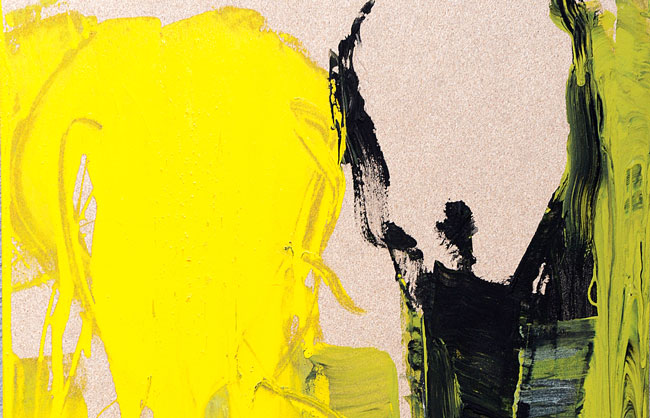
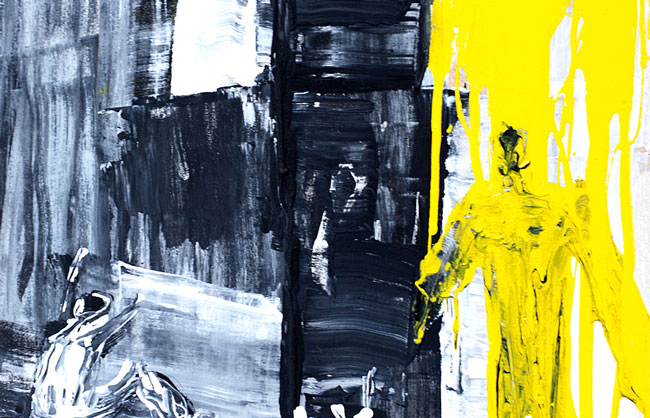
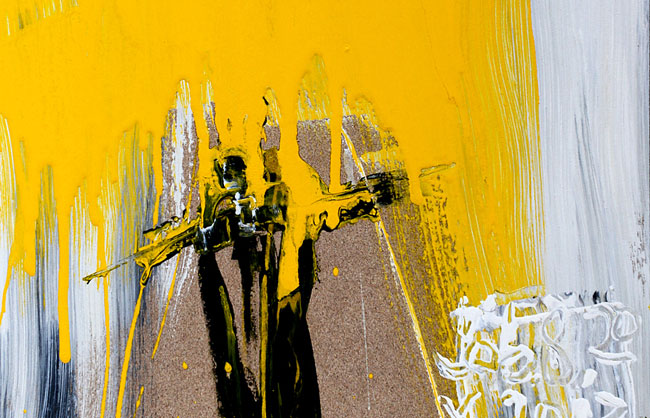
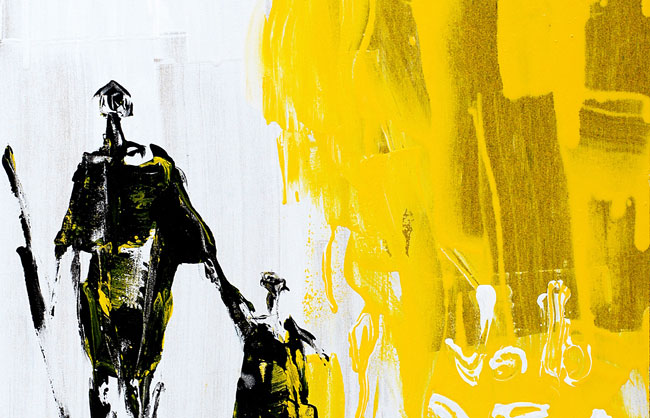
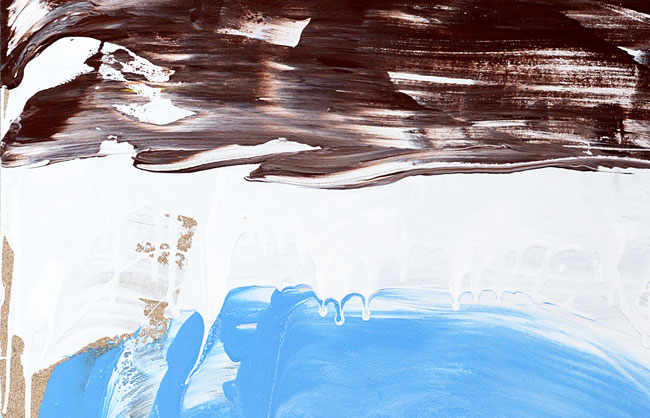
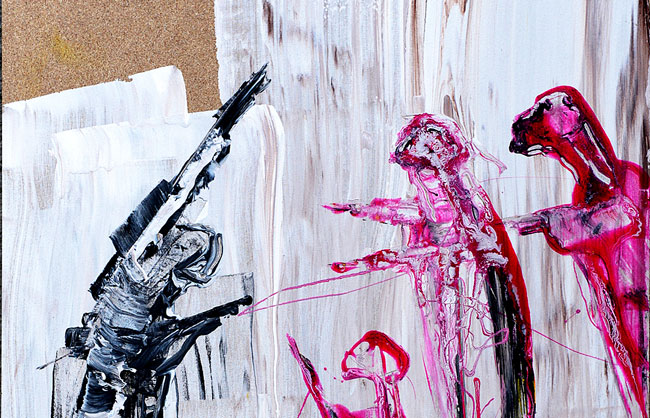
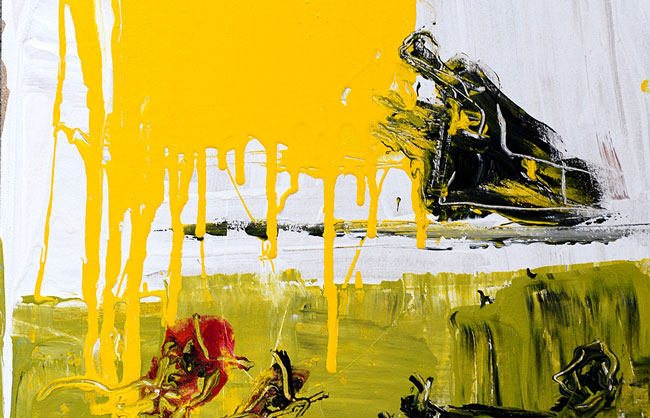
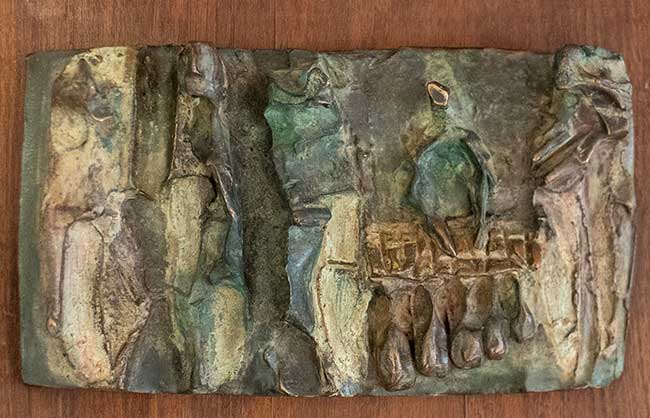
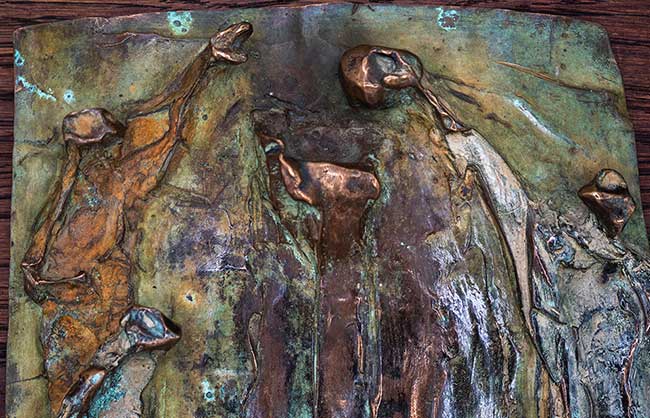
The Book of Job and 42 Paintings
I have read the Book of Job, and something of myself became attached to the character; I came to understand it differently from other books.
I realized that it was the years—my own years—that were drawing me closer to Job, and that it was through them that this understanding came to me.
Job's example became a warning to me that everything comes to an end, and here I was beginning to know this through experience: it was the years, his and mine.
And with this reflection on our existence came everything else: the purpose of life, the different ways of living it, good and evil, freedom, the fact that we have a body and also a spirit, and that through the spirit there will be permanence, the eternal.
Job struggles within himself; he even becomes defiant towards God, yet he does not lose hope.
This Job becomes convincing to us, filled with poetry and images that transcend their stark realism, transformed through their beauty.
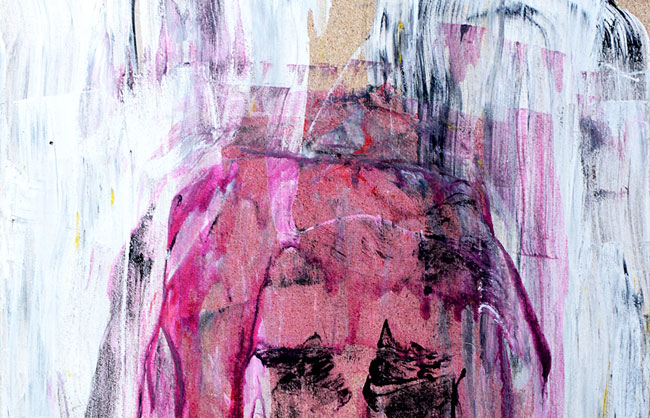
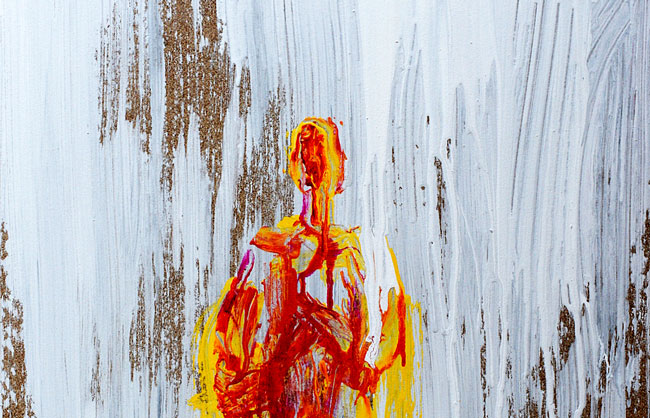
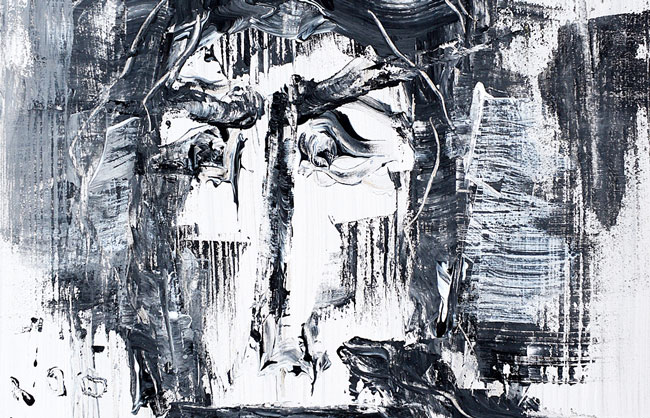
And through so much suffering and expression from within, his face turns red and his eyes are covered in darkness.
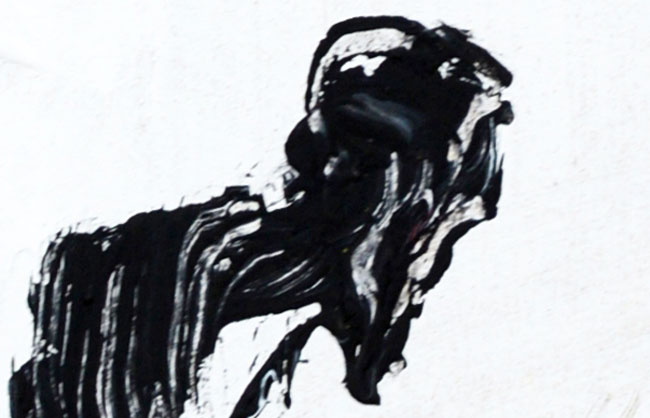
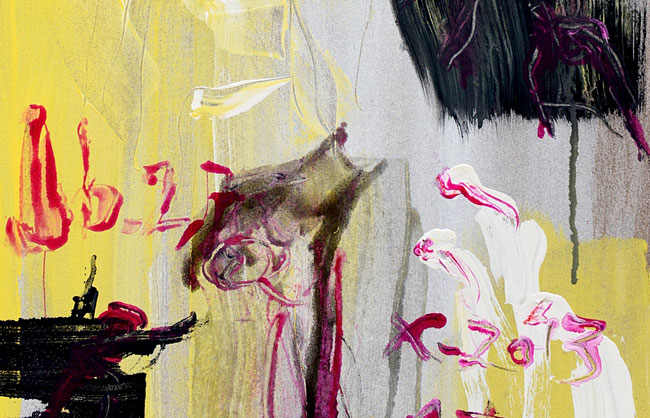
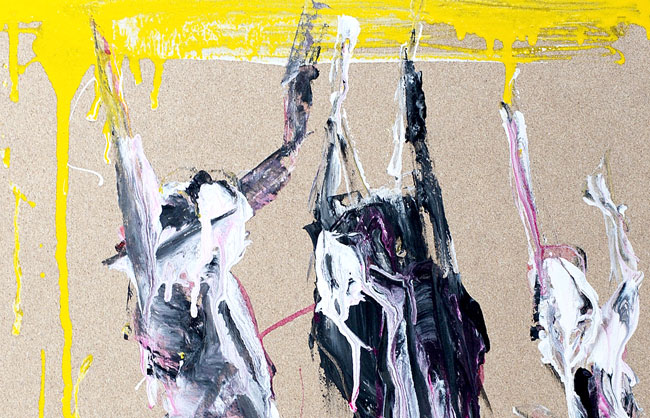
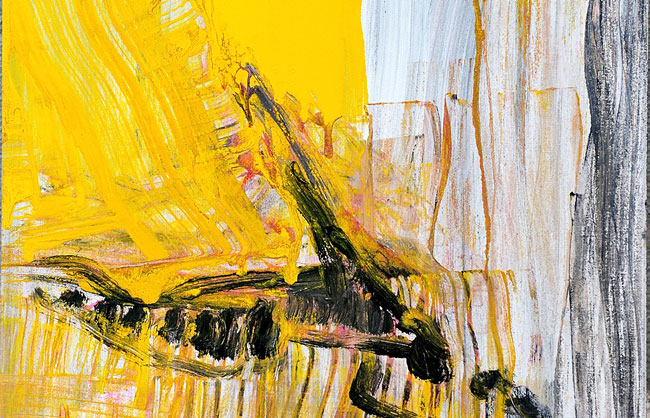
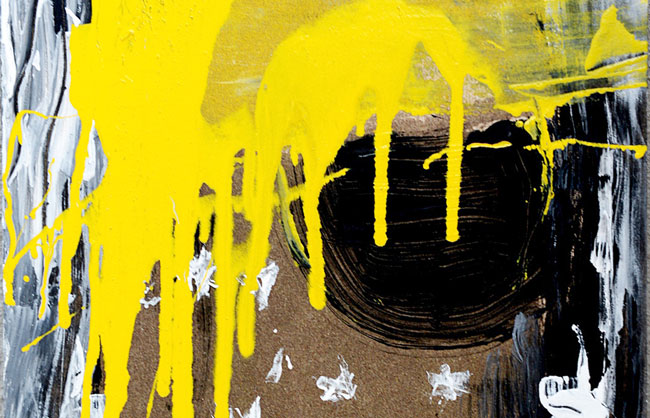
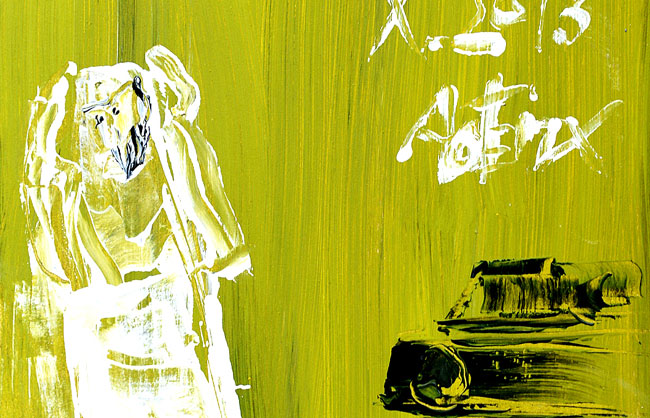
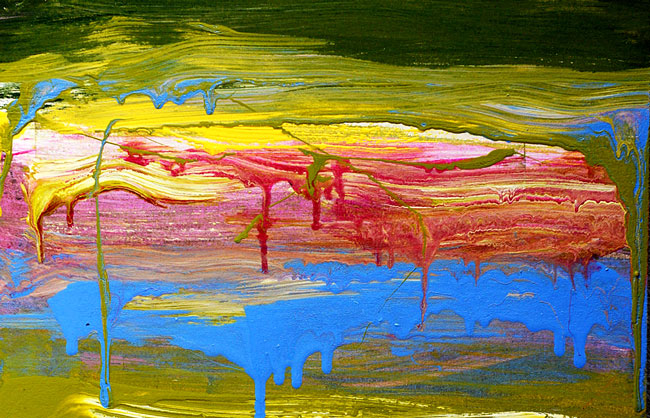
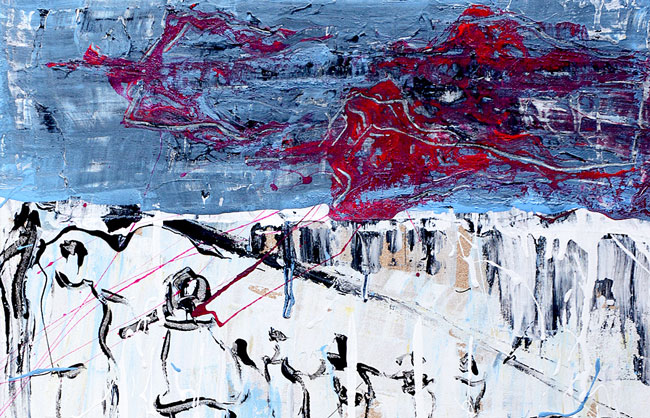
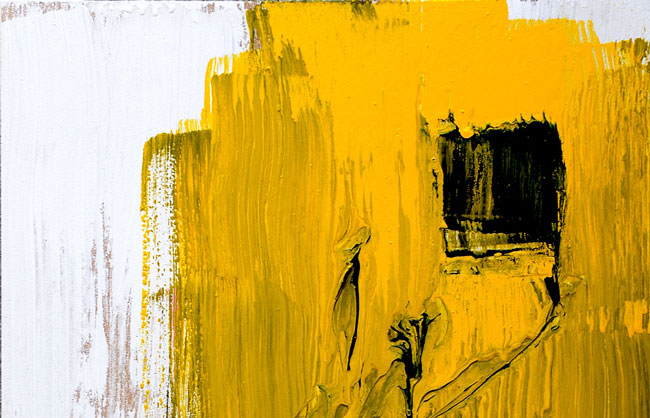
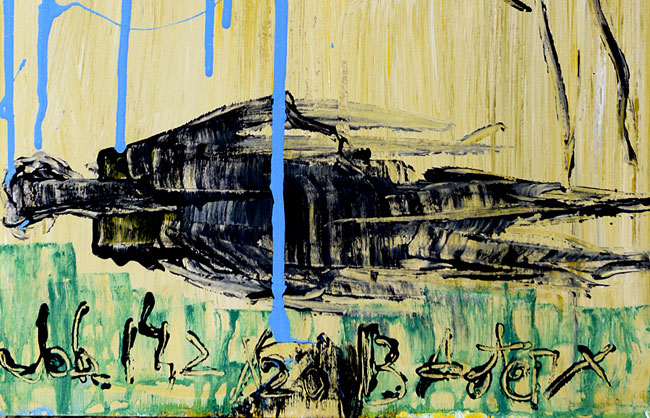
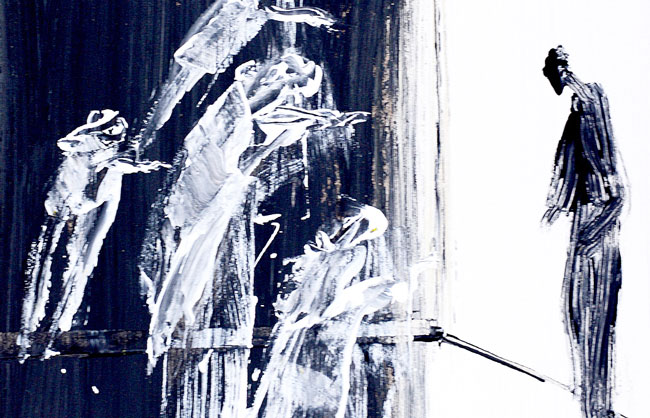
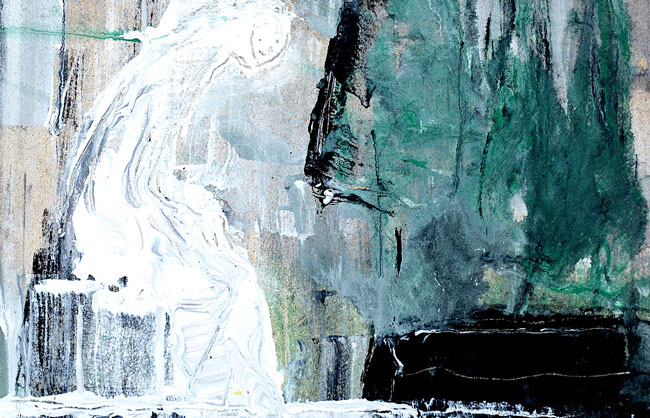
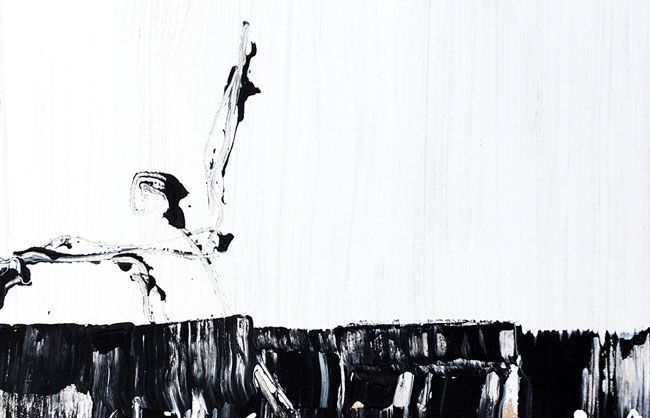
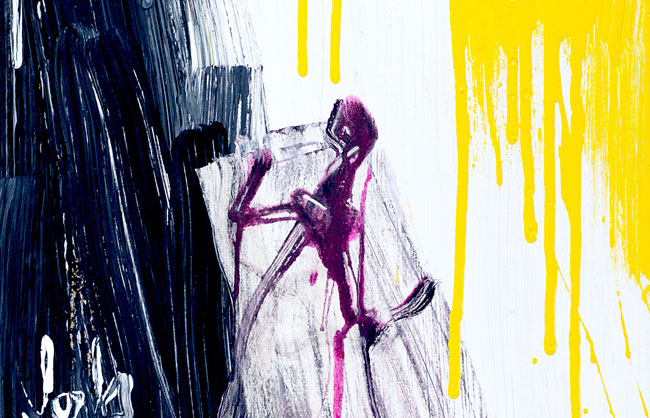
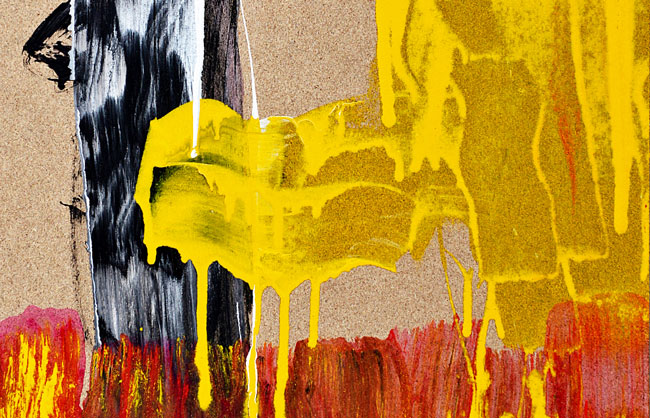
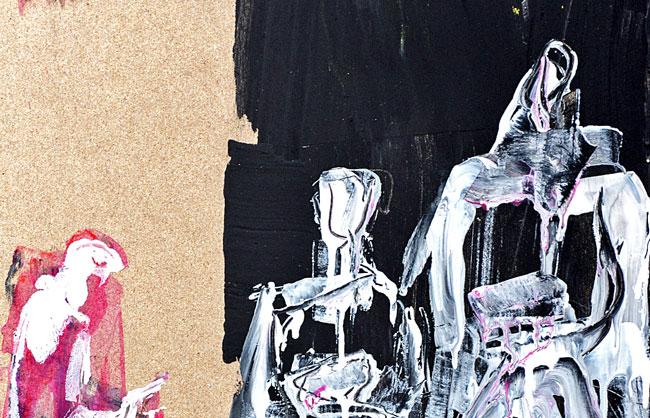
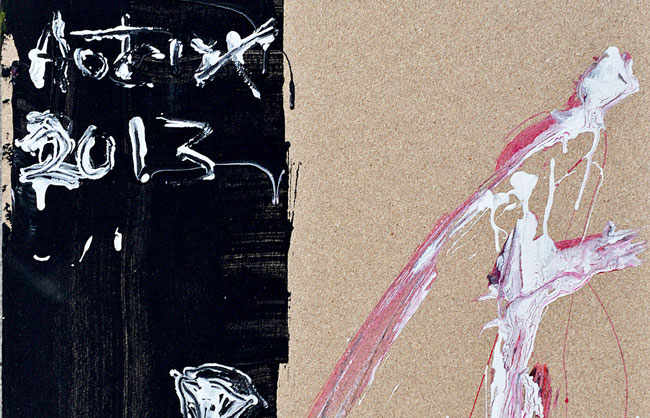
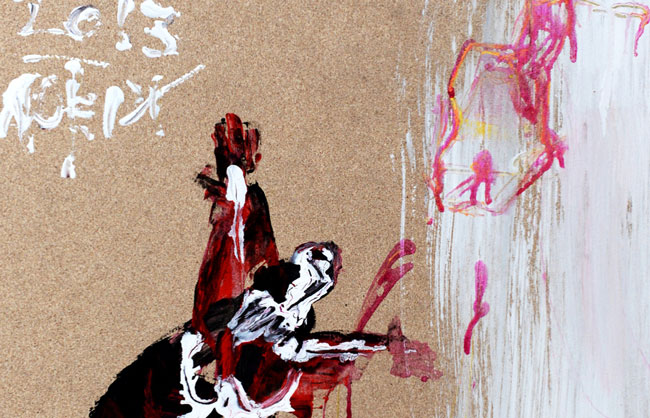
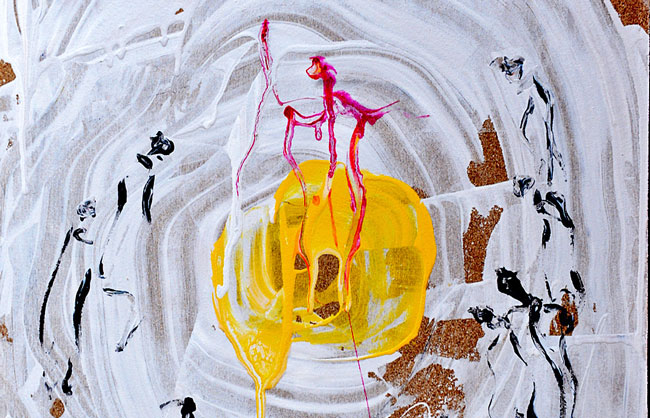
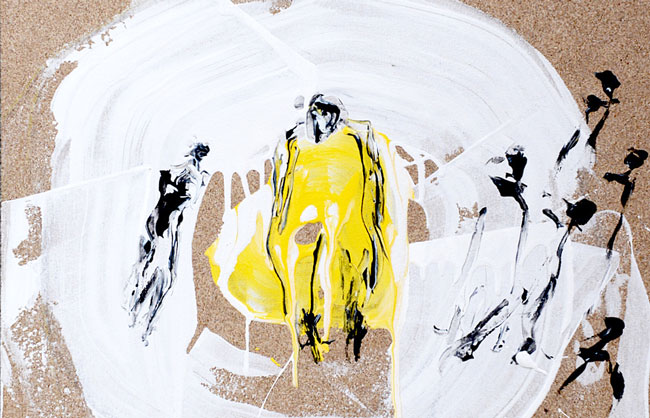
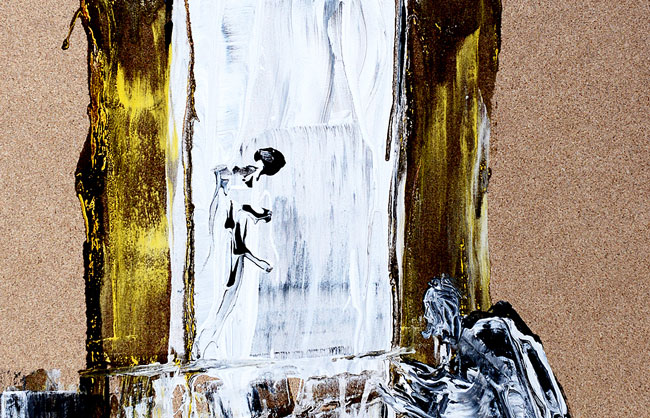
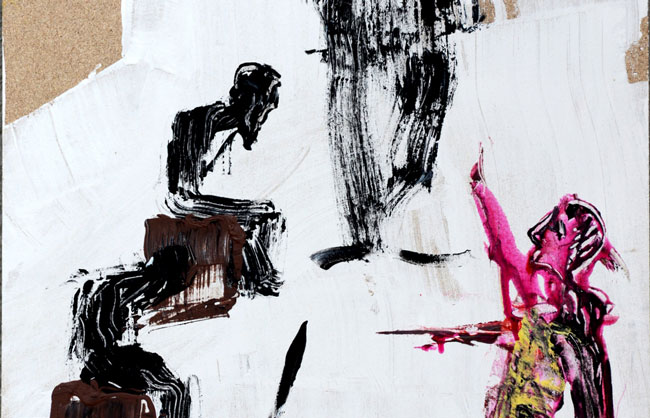
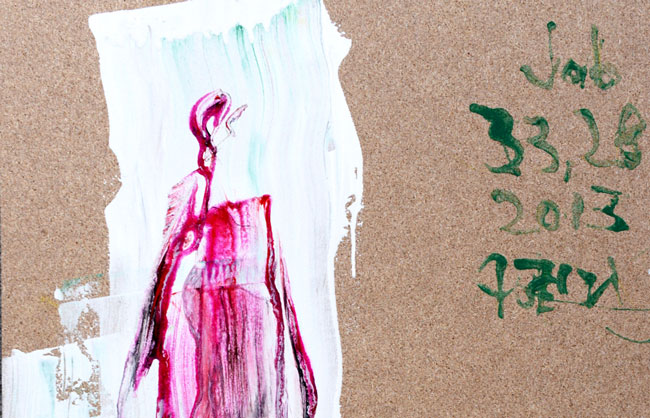
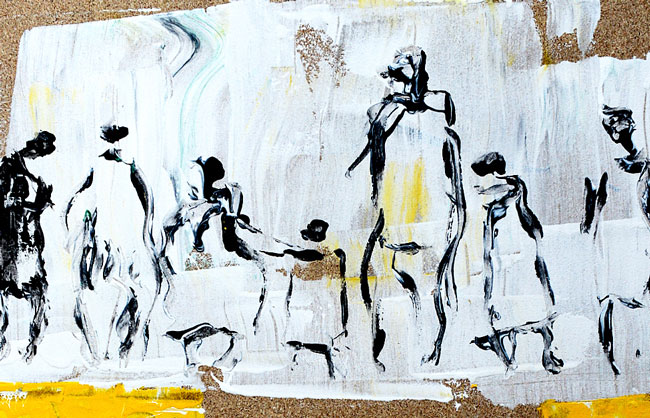
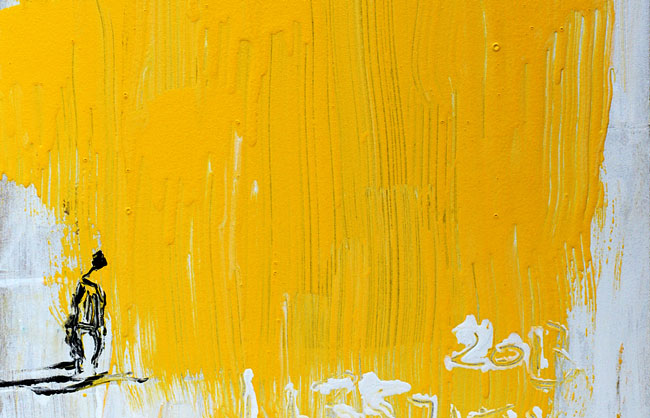
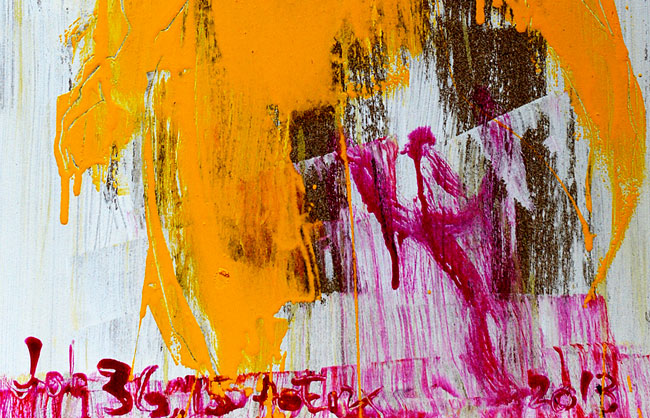
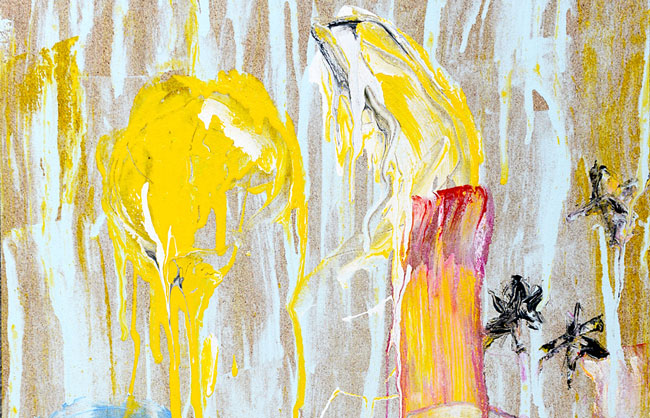
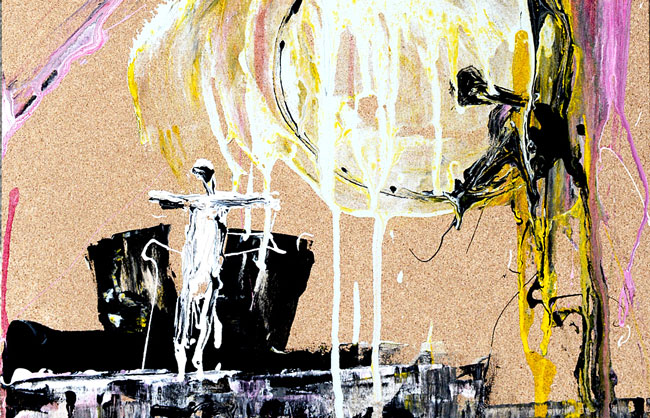
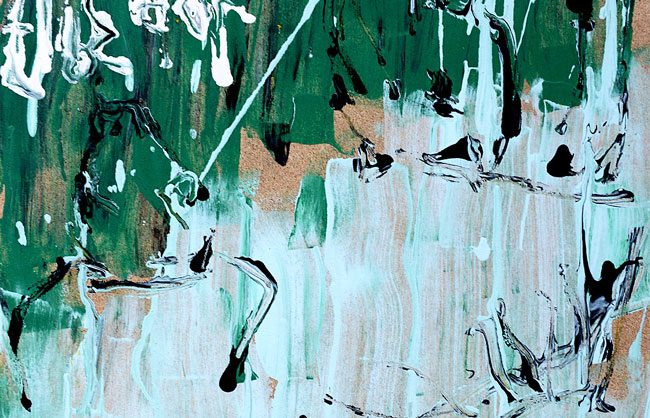
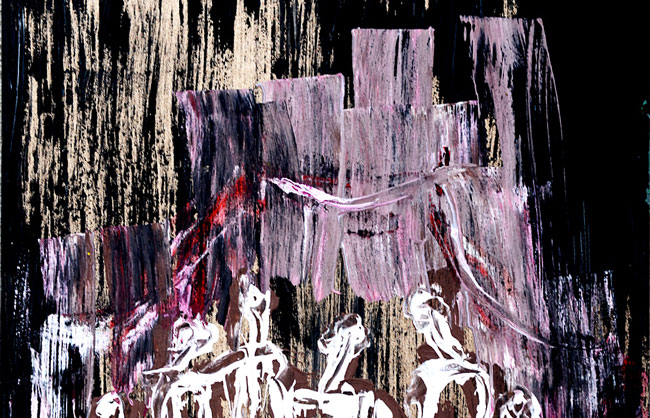
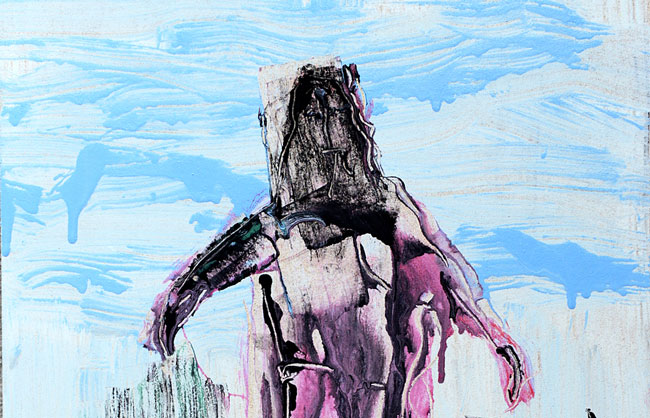
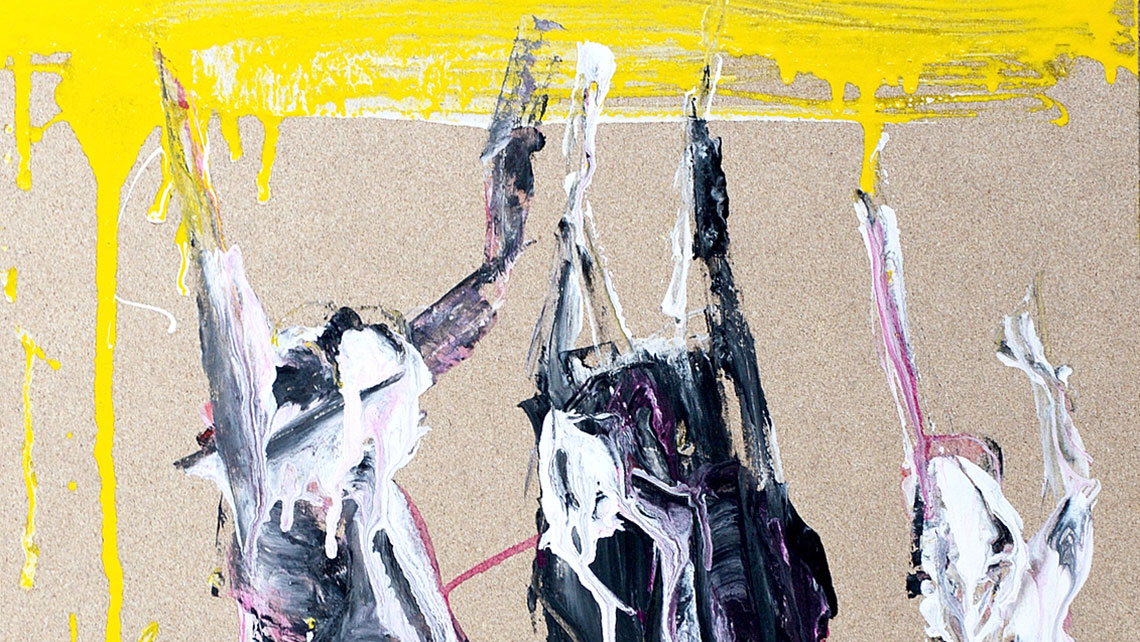
Everything becomes visual expression and a cry. And if one has a brush or a palette knife and a pot of paint at hand, then, quickly, one may even try to paint that sensation: that the 42 chapters of the Book of Job might be recalled in as many panels, with colours that are more than considered—they are lived—as an equivalent to so many words.
Perhaps in the face of death expression becomes more anguished, the unknown reveals itself, the farewell is now the last, the one that becomes most urgent to us; and so the brushstroke will become the same. There art breaks apart, becomes expressionist, torn open in one final gesture and farewell.
Job speaks to every human being, regardless of whether their mind is religious or not, but who knows that there is an end and may even have hope.
Death usually comes unexpectedly, but sometimes the opposite may happen: a person may foresee it and go out to meet it, to meet death; we may go towards it, and all of this may even become joyful for that person.
If we pause upon these thoughts and feelings, questions may come to us, and perhaps even answers:
-
It is a book that took shape over centuries, up to the 4th century BC, within the Jewish world.
-
Its many translations may have incorporated other words intended to aid interpretation.
-
After Christ, new editions continued to appear, and they continue to do so today.
-
It is possible that its final chapters appear somewhat weakened in their vital and poetic expression, as happens in the different arts when others seek to prolong a work through time.
-
This Job is more than suffering and poetry; it is a bleeding word, the life of the human being who lives and must die.
Everything spiritual follows a similar path.
Job's poetry becomes receptive. It is that invisible presence perceived through everything that is beautiful. Job is the great light, convincing us of the possibility of a good ending to life, of transforming a life that might otherwise be unfortunate.
For Job, the sun is covered in black; everything becomes night. Lord! Will you return me to the dust?
But the rainbow appears; a hope is revealed. All existence transcends itself.
Through nature all living beings pass; they have proportions, infinite geometry; there is wisdom.
Human beings question nature, but it is nature that has already been proclaiming its message from the beginning.
We must begin again, always begin again, and with greater determination on the final stretch.
We take nothing with us. The child who became an old man saw that his house was already inhabited by others who were not of his family.
The Lord will draw ill-gotten riches out of his belly.
He drew a circle upon the waters; it was the power of God.
Where were you when I laid the foundations of the earth?
Then I knew you only by hearsay.
Everything in Job becomes true life, and death too, which also seeks to be true: to live towards a death composed of still more life.
As happens in every art, in every style, in every age: the human being does not exist merely as an idea, as idea alone, confined to it. Nor does art: never merely an idea, never abstract, solely abstract; purely abstract art cannot exist.
This is a Job filled with life. He is presence and life for everyone.
Antonio Oteiza.
El Pardo, April 2014.